Every conversation about business AI eventually hits the same fork: do we rent the intelligence, or do we own it? The honest answer depends on your data, your volume and your appetite for control.
Cloud AI means the models live at a provider’s datacenter and you call them over the internet. You pay per use, there is no hardware decision to make, and you get access to the strongest models available today, which improve every quarter. It fits businesses whose work is answering customers, drafting, summarizing documents and extracting data, and whose information is ordinary business data. The thing to watch is the meter: reasoning models cost more per call than chat models, and document work costs more per page than demos suggest. Good providers model your real volume before you sign, and good integrators retune workflows so the bill tracks growth instead of outrunning it.
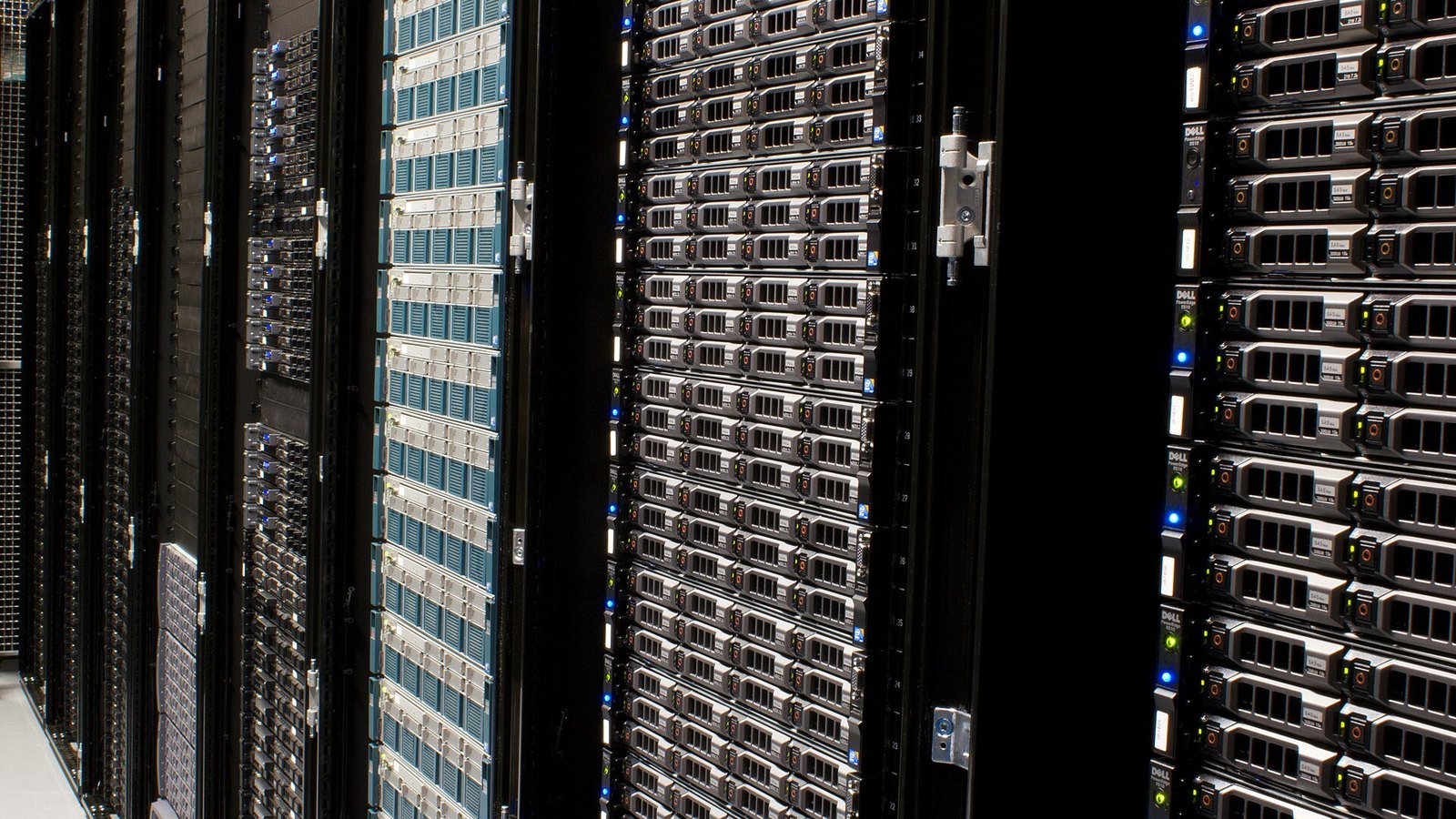
Local AI means the model runs on hardware inside your building. Nothing leaves your network. No usage meter, no vendor reading your transaction data, no dependency on a distant server staying up. A few years ago that meant accepting weaker answers. It no longer does: a properly specced box, sized to your budget rather than to a cloud sales quota, now handles assistants, document search, camera analytics and voice triage at a level that rivals rented frontier models for these specific jobs. The math usually favors local when volume is steady and heavy, when data is sensitive or regulated, or when the operation cannot tolerate an internet round trip.
Plenty of businesses end up running both: cloud for frontier work like complex drafting, local for the private and high-volume lanes like every inbound call. The decision is not a preference contest. It is sizing.
If a vendor will not ask what data you handle and how many calls you take before recommending one side of the fork, that is your answer about the vendor.