
Every AI service you have ever signed up for involves the same trade: you get a powerful model, and your prompts travel to somebody else’s building. For a marketing brainstorm that is harmless. For patient intake, client contracts, security footage or transaction exports, most owners would prefer the model came to the data instead.
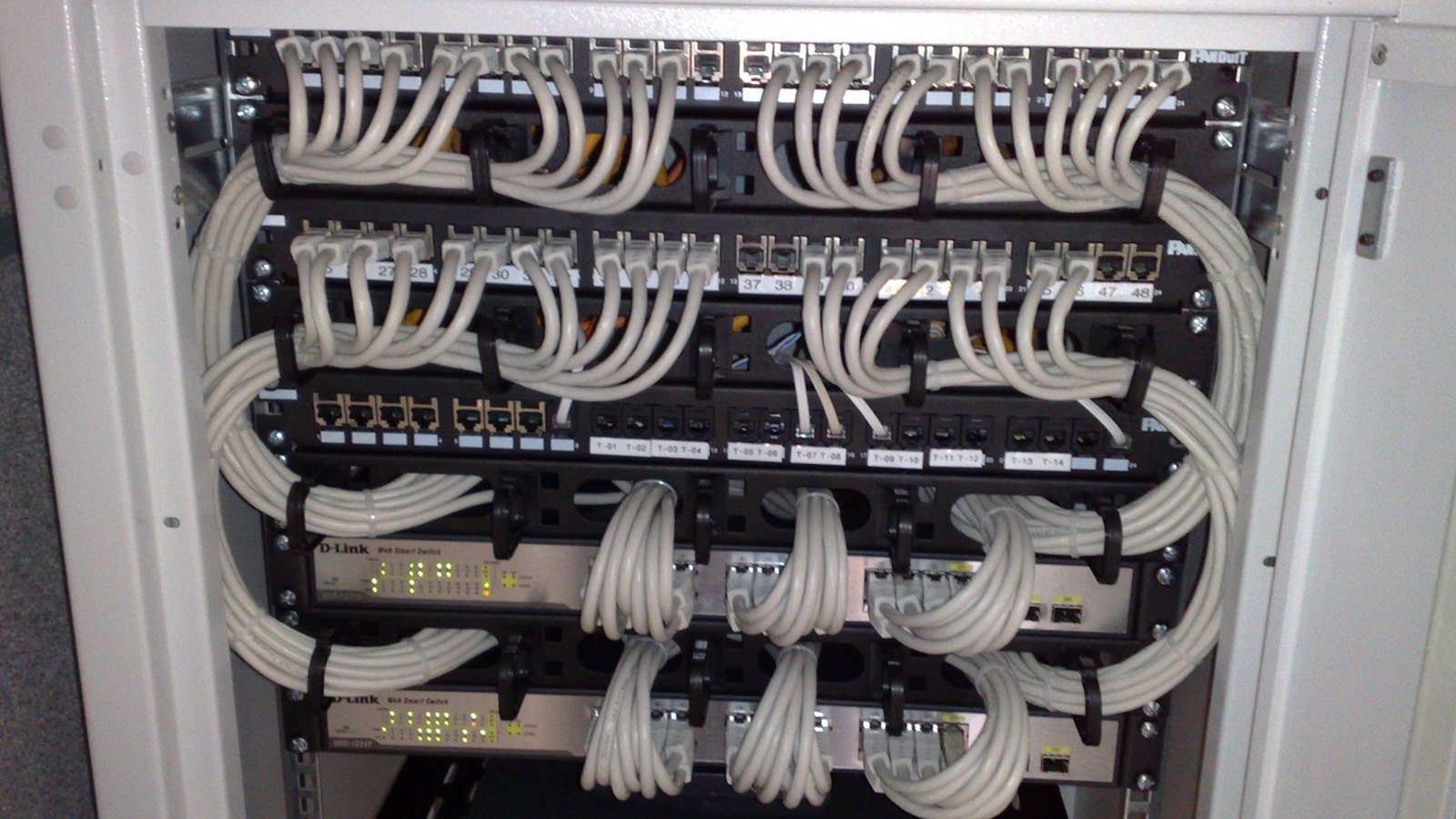
That is the entire idea of private AI. A language model is just software. It runs wherever there is enough hardware to hold it. Put that hardware in your office, feed it your documents and conversations, and nothing ever crosses the internet: your questions stay local, and so do the answers, the logs, and the customer names inside them.
There are three concrete differences owners feel within the first quarter. Control of the update schedule: the system changes when you approve it, not when a platform deprecates an API and rewrites your workflows for you. Control of the retention terms: nobody else’s privacy policy sits between your client data and your server. And a cost shape that flips with success: hosted AI bills per call, so your busiest month is your most expensive one, while a machine you bought costs the same whether your month ran hot or quiet.
The old objection was quality, and it stopped being true a couple of years ago. Open-weight models now run answers, extraction, drafting and voice triage at a level that handles ordinary business work well, and they run it on one box in a rack corner sized to your budget instead of to a cloud sales rep’s commission. Heavy specialized jobs still benefit from frontier cloud models, which is why plenty of operators run a hybrid: private hardware for the volume and the sensitive lanes, rented frontier intelligence for the occasional complex task, with the routing rules written by the business, not the vendor.
If your answer to a compliance questionnaire ever required describing where customer data goes, this is the paragraph worth reading twice.